Lost in the Mist: Why Da Lat’s Wild Beauty Stole My Heart
Nestled in Vietnam’s Central Highlands, Da Lat is a dream wrapped in fog and forest. I came for the cool air but stayed for the waterfalls, pine-covered peaks, and terraced hills that feel like another world. This isn’t just a hill station—it’s a living canvas of natural wonders. From hidden gorges to silent bamboo trails, Da Lat offers pure escape. Let me take you through the wild side most travelers miss. Here, nature doesn’t shout—it whispers through mist-laden pines, rustling ferns, and the soft murmur of mountain streams. For those seeking peace, beauty, and a reconnection with the earth, Da Lat doesn’t just deliver—it transforms.
First Impressions: Stepping Into the Highlands
Descending into Da Lat from the lowlands of southern Vietnam feels like crossing into another climate zone entirely. The heat and humidity that cling to cities like Ho Chi Minh City fade as the elevation climbs to over 1,500 meters. Within minutes, the landscape shifts—tropical palms give way to towering pine trees, eucalyptus groves, and rolling hills veiled in soft mist. The air turns crisp, carrying the clean scent of damp earth and pine resin. This immediate change in atmosphere signals more than a shift in weather; it marks an entry into a place where time moves differently, where nature sets the rhythm.
Originally developed by the French colonial administration in the early 20th century as a hill retreat, Da Lat was designed to mimic the temperate climates of Europe. Grand villas with red-tiled roofs and arched windows still dot the hillsides, remnants of that era. Yet today, Da Lat is much more than a relic of the past. It has evolved into a sanctuary for both locals and visitors seeking respite from urban life. What makes it truly special, however, is not its architecture or history alone, but how seamlessly it integrates with the surrounding wilderness. Unlike many tourist towns that dominate their environments, Da Lat nestles into the landscape, allowing the natural world to remain the focal point.
The city’s highland location also shapes its biodiversity. Cooler temperatures support ecosystems rarely found elsewhere in Vietnam. Moss-covered trees, fern forests, and alpine meadows thrive here, creating a lush, almost otherworldly environment. This unique blend of cultivated charm and untamed nature gives Da Lat its soul. For travelers, the first moments in the city set the tone for what’s to come—a journey not just through a destination, but into a deeper experience of serenity and natural beauty.
Waterfalls That Roar: Where Nature Shows Off
One of Da Lat’s most powerful natural attractions lies just beyond the city limits—its waterfalls. These cascading wonders are not mere scenic stops; they are dynamic forces of nature that shape the region’s identity. Among the most renowned is Datanla Falls, a multi-tiered cascade that plunges over 30 meters through a narrow gorge. The sound of rushing water echoes through the forest, drawing visitors into a world of cool mist and vibrant greenery. While Datanla has become increasingly popular, its lower trails still offer moments of solitude, especially in the early morning when sunlight filters through the canopy and touches the water’s surface like liquid gold.
Just a short drive away, Prenn Waterfall presents a different experience. Easily accessible and surrounded by landscaped gardens, it serves as a gentle introduction to Da Lat’s natural beauty. A suspension bridge offers panoramic views, while local vendors sell fresh fruit and handmade crafts. Though more tourist-oriented, Prenn retains its charm, particularly during the rainy season when the falls swell with power. For those willing to venture further, Elephant Falls—despite its name located near nearby Dray Nur rather than Da Lat proper—remains a symbolic representation of the region’s wilder side, with twin cascades roaring into a deep pool below.
What makes Da Lat’s waterfalls exceptional is not just their visual impact, but the variety of ways they can be experienced. At Datanla, adventurous travelers can descend via a steep hiking trail or take the thrilling high rope course that weaves through the treetops before ending near the base of the falls. This blend of eco-adventure and natural beauty allows visitors to engage with the landscape actively rather than passively. Safety is well managed, with marked paths and local guides available for those unfamiliar with the terrain.
To fully appreciate these falls, timing is essential. The best months to visit are from March to August, when rainfall is moderate and water levels remain strong without becoming dangerous. Early arrival helps avoid midday crowds, especially at Datanla, where parking can fill quickly. Visitors are encouraged to wear sturdy footwear, carry water, and respect barriers designed to protect both people and the fragile ecosystems around the falls. By approaching these sites with care, travelers ensure that future generations will continue to feel the awe of standing before a thundering curtain of mountain water.
Valley of the Giant Flowers: Lang Biang’s Living Landscape
Rising above the city like a sentinel, Lang Biang Mountain is more than Da Lat’s highest peak—it is a symbol of the region’s wild heart. Part of the Lang Biang Plateau, this protected area is home to a rich tapestry of flora and fauna, much of it found nowhere else in Vietnam. The mountain’s slopes are blanketed with rhododendrons, wild orchids, and towering pine forests, creating a landscape that shifts with elevation and season. In spring, bursts of color erupt across the hillsides as flowers bloom in vivid contrast to the deep green backdrop. It is here, amidst this living mosaic, that Da Lat’s true ecological significance becomes clear.
Hiking to the summit of Lang Biang is a rite of passage for many visitors. The trail begins with a gentle climb through shaded forest paths, where birdsong fills the air and cool breezes drift through the trees. As elevation increases, the vegetation changes, giving way to open ridges and rocky outcrops that offer sweeping views of the surrounding highlands. The final ascent is steeper, but the reward is unparalleled: a 360-degree panorama of undulating hills, distant valleys, and patches of cloud drifting like ships across a green sea. On clear days, the horizon stretches endlessly, a reminder of how vast and untouched this region still feels.
The mountain also holds deep cultural significance for the indigenous K’ho people, who have lived in the Central Highlands for centuries. Local legends speak of a tragic love story between a K’ho chief’s daughter and a young shepherd, said to be the origin of the mountain’s name. Visitors who choose to engage with local guides often hear these stories woven into their journey, adding a layer of human connection to the natural experience. Respecting these traditions is essential—travelers are reminded not to remove plants, disturb sacred sites, or stray from marked trails.
Sustainable tourism is critical in preserving Lang Biang’s delicate ecosystem. The area is part of a biosphere reserve recognized by UNESCO, meaning conservation efforts are ongoing. Visitors are encouraged to follow eco-friendly practices: staying on designated paths, avoiding littering, and minimizing noise. Some tour operators offer guided treks that include educational components about local flora, geology, and cultural heritage. By choosing responsible travel options, visitors contribute to the long-term protection of this extraordinary landscape.
Secret Gorges and Hidden Canyons
Beyond the well-trodden paths of Da Lat’s major attractions lies a network of hidden gorges and forested ravines that few tourists explore. These secluded spots offer a raw, unfiltered connection to nature—one that feels intimate and untouched. One such area is the lesser-known section near the Datanla High Rope Course, where narrow trails descend into a narrow canyon carved by centuries of flowing water. The walls of the gorge are draped in moss and ferns, and the sound of a clear stream cutting through smooth stones creates a natural symphony that drowns out the outside world.
Walking through these hidden canyons is an exercise in mindfulness. The path is uneven, requiring attention with each step, yet the effort is rewarded with moments of profound stillness. Sunlight filters through the dense canopy in scattered beams, illuminating patches of bright green moss and delicate fungi growing on fallen logs. Occasionally, a kingfisher darts across the water, or a lizard scurries up a rock face, reminding visitors that this is a world governed by natural rhythms, not human schedules.
Access to these areas is possible through guided eco-tours, which often include safety briefings and equipment checks. Local guides are invaluable—they know the safest routes, seasonal water levels, and which trails to avoid during heavy rains. Proper footwear is essential; hiking shoes with good grip prevent slips on wet rocks. While some paths are suitable for confident beginners, others require moderate fitness and a willingness to navigate slippery terrain. The key is preparation: carrying a light backpack with water, a rain jacket, and a basic first-aid kit ensures a safe and enjoyable experience.
What makes these hidden gorges so special is their proximity to the city. Within just 20 minutes of leaving downtown Da Lat, one can stand in a place where silence reigns and the only footprints on the path may be your own. This accessibility makes them ideal for travelers who want adventure without committing to multi-day treks. Whether spending an hour or a full morning exploring, the sense of discovery is real—each bend in the trail offers something new, whether it’s a hidden pool perfect for dipping your feet or a quiet clearing where you can sit and listen to the forest breathe.
The Magic of Early Morning: Fog, Lakes, and Silence
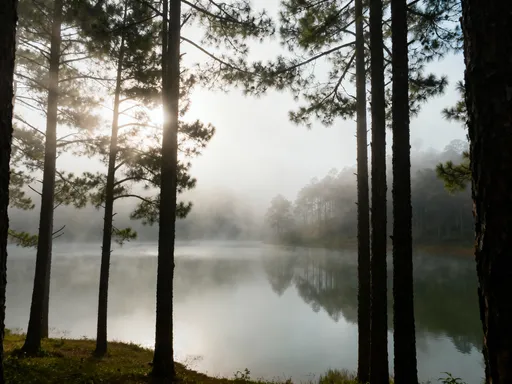
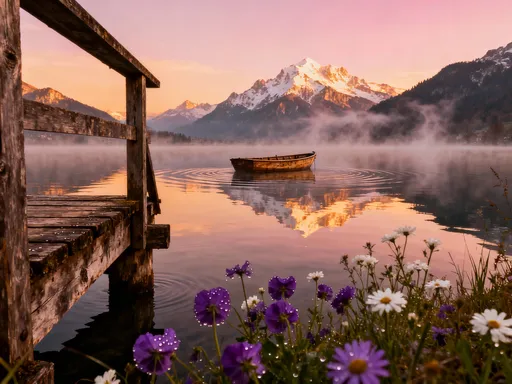
There is a particular kind of magic that belongs only to dawn in Da Lat. As the first light breaks over the hills, the city is often shrouded in a delicate veil of fog, especially around Xuan Huong Lake. This crescent-shaped body of water, framed by pine forests and rolling lawns, becomes a mirror for the sky, reflecting soft hues of pink and gold as the sun rises. Cyclists glide along the empty pathways, their tires whispering against the pavement, while joggers move at a steady pace, their breath visible in the cool air. It is in these quiet hours that Da Lat reveals its most peaceful self.
Walking around Xuan Huong Lake at sunrise is more than a scenic activity—it is a meditative experience. The absence of crowds allows for deep immersion in the surroundings. The scent of wet grass, the distant call of a myna bird, the gentle lap of water against the shore—all contribute to a sense of calm that is increasingly rare in modern travel. Some visitors bring a thermos of hot coffee or tea, finding a bench to sit and simply be present. Others practice tai chi on the grassy banks, their movements slow and deliberate, in harmony with the stillness of the morning.
The lake itself is man-made, created in the 1920s to enhance the city’s beauty, yet it blends so naturally with the landscape that it feels ancient. Today, it serves as a hub for gentle recreation: paddle boating, walking, and photography. But its true value lies in its ability to offer a space for reflection. In a world that often demands constant activity, Da Lat’s early mornings provide permission to slow down, to breathe deeply, and to reconnect with oneself.
For those seeking even greater solitude, the trails that branch off from the lake into the surrounding pine forests offer deeper immersion. These paths wind through towering trees, their trunks covered in soft moss, and open into clearings where sunlight pools on the forest floor. Birdwatchers may spot bulbuls, sunbirds, or even the occasional mountain hawk. The experience is not about reaching a destination, but about being in the moment—listening, observing, and allowing the forest to work its quiet magic.
Off the Beaten Path: Farms, Forests, and Fresh Air
Just beyond the city’s edge, Da Lat’s countryside unfolds in a patchwork of farms, plantations, and flower fields. This is where the region’s nickname, “City of Eternal Spring,” becomes tangible. The cool, fertile soil supports an astonishing variety of crops—strawberries, cabbages, carrots, and flowers of every color. Unlike industrial farms, many of these are small, family-run operations where visitors are welcomed with warmth and curiosity. Walking through a strawberry field, plucking ripe red berries straight from the vine, is a simple pleasure that connects travelers to the land in a meaningful way.
Tea plantations, though less common than in northern Vietnam, can still be found in the higher elevations around Da Lat. These rolling green hills, meticulously terraced, offer peaceful walking trails and quiet tea houses where visitors can sample fresh brews. The tea here has a lighter, more floral character than its northern counterparts, influenced by the region’s unique microclimate. Lavender farms, inspired by global trends but adapted to local conditions, add another sensory layer—fields of purple blooms swaying in the breeze, releasing a calming fragrance into the air.
These agricultural spaces are more than just picturesque—they are vital to Da Lat’s identity and sustainability. Many farms practice organic methods, avoiding synthetic pesticides and preserving soil health. Some offer educational tours, explaining crop rotation, composting, and the importance of pollinators. By supporting these farms—whether through purchases or visits—travelers contribute to a model of tourism that values authenticity and environmental stewardship.
The emotional impact of spending time in these rural settings is profound. There is a deep sense of renewal that comes from walking through a quiet field, feeling the sun on your face, and tasting food that was harvested hours earlier. For families, it’s an opportunity to teach children about where food comes from. For solo travelers, it’s a chance to find peace in simplicity. These moments, though quiet, often become the most memorable parts of a journey—proof that true beauty doesn’t always require grand gestures, but can be found in the rustle of leaves, the scent of soil, and the warmth of human connection.
Travel Tips for a Smoother Journey
Planning a trip to Da Lat is part of the adventure, and a few practical considerations can make the experience even more rewarding. The best time to visit is from December to August, when the weather is dry and temperatures remain comfortably cool, typically between 15°C and 22°C. September to November is the rainy season, which brings lush greenery but also slippery trails and reduced visibility—ideal for photographers who love misty landscapes, but less so for hikers.
Transportation within the region is flexible. Renting a motorbike offers freedom and access to remote areas, but riders should be experienced and cautious on winding mountain roads. For those who prefer comfort, private cars with drivers are widely available and often include knowledgeable guides. Public buses serve major attractions but may not reach more secluded spots. Regardless of the mode, fueling up before heading out and checking weather conditions are wise precautions.
Packing for Da Lat requires preparation for variable weather. Even in summer, nights can be chilly, so layers are essential. A lightweight rain jacket, sturdy walking shoes, and a hat for sun protection cover most conditions. A reusable water bottle and eco-friendly tote bag help reduce plastic waste, aligning with the region’s growing emphasis on sustainability.
Finally, respecting the local environment is not just a suggestion—it is a responsibility. Staying on marked trails prevents soil erosion and protects plant life. Avoiding single-use plastics and properly disposing of waste helps keep Da Lat’s forests and waterways clean. Supporting eco-conscious businesses—from homestays to tour operators—ensures that tourism benefits the community and preserves the natural beauty that makes this place so special.
Da Lat is not a destination to be rushed. It is a place to savor—to breathe in deeply, to walk slowly, and to listen. Its wild beauty does not demand attention; it quietly invites you in. And for those who answer that call with care and wonder, the rewards are immeasurable. In a world that often feels too loud, too fast, too crowded, Da Lat remains a sanctuary of stillness, a reminder that peace is not lost—it is waiting, in the mist, in the forest, in the quiet heart of the highlands.