Why Santiago’s Public Spaces Steal Your Heart – A Slow Travel Love Story
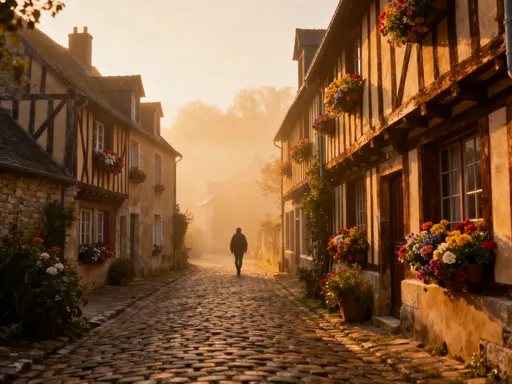
You know that feeling when a city just gets you? That’s Santiago de Compostela. Walking its cobblestone streets, I wasn’t rushing to tick off sights—I was living. Slow travel here isn’t a trend; it’s the rhythm of life. From sunlit plazas to quiet corners where locals laugh over coffee, the city’s public spaces don’t just connect places—they connect people. This is where time slows, and moments become memories. In an age of hurried itineraries and checklist tourism, Santiago offers something rare: the permission to linger, to observe, to belong. Its open squares, shaded parks, and bustling markets aren’t just destinations—they’re invitations to participate in the quiet poetry of everyday life.
The Pulse of the City: Plaza del Obradoiro
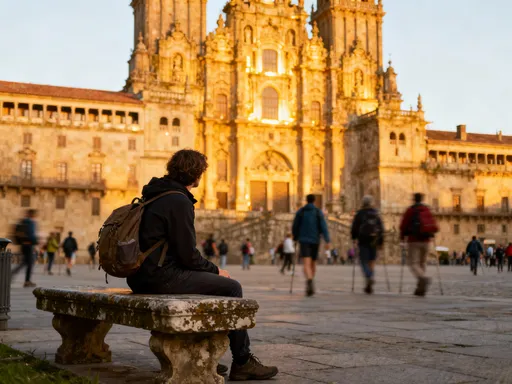
At the heart of Santiago de Compostela lies the Plaza del Obradoiro, a grand stone square that feels less like a tourist attraction and more like a living room for the soul. Framed by the awe-inspiring facade of the Cathedral of Santiago de Compostela, the Pazo de Raxoi (Santiago’s city hall), the Hostal dos Reis Católicos, and centuries-old arcaded buildings, the plaza is a masterpiece of Baroque and Gothic harmony. But its true beauty isn’t in its architecture alone—it’s in the way people inhabit it. Pilgrims arriving at the end of the Camino de Santiago often collapse to their knees here, overcome with emotion. Locals pass through daily, briefcases in hand, exchanging greetings with shopkeepers. Students sprawl on the sun-warmed stones with textbooks open. The rhythm of life unfolds without hurry.
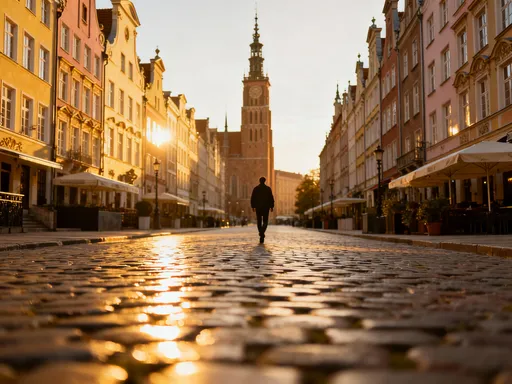
What makes the Plaza del Obradoiro emblematic of slow travel is its invitation to presence. There are no timed entry tickets, no audio guides, no rush to move on. You can sit for an hour and witness a hundred small stories unfold: a woman feeding pigeons, a street musician tuning his guitar, an elderly couple sharing a thermos of coffee. The square doesn’t demand attention—it earns it through stillness. Morning light bathes the cathedral in gold, while evening brings the soft glow of lamplight reflecting off wet cobblestones after a passing rain. This is not a place to conquer, but to absorb.
For the pilgrim, the plaza is a culmination. For the visitor, it’s a revelation. It teaches that arrival is not just physical, but emotional. The shared silence among strangers at dusk, the quiet respect for those who’ve walked hundreds of miles—these moments are not staged. They are real, raw, and deeply human. In a world where travel often feels transactional, the Plaza del Obradoiro reminds us that some spaces exist not to be seen, but to be felt.
Hidden Corners, Real Conversations: Alameda Park and Beyond
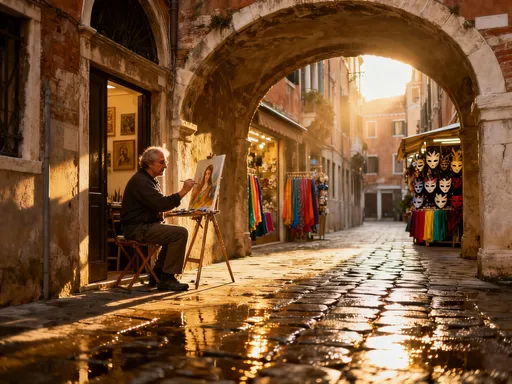
Just a short walk from the cathedral, Alameda Park offers a different kind of intimacy. Nestled on a hilltop, this lush green space unfolds along winding paths lined with chestnut and eucalyptus trees. From its elevated vantage points, visitors are rewarded with panoramic views of Santiago’s terracotta rooftops and the distant peaks of the Galician countryside. Unlike the ceremonial grandeur of the main plaza, Alameda feels personal—a place where locals come to breathe, read, or simply be. Artists often set up easels, capturing the cityscape in watercolors. Couples stroll hand in hand. Children chase each other around fountains. The air carries the scent of damp earth and blooming camellias.
But beyond Alameda, Santiago’s quieter plazas hold their own magic. Praza da Quintana, located just behind the cathedral, is a favorite among residents. By day, it’s a sunlit courtyard where pigeons strut between stone benches. By night, it transforms into a gathering spot for friends sharing bottles of local wine. Then there’s Praza das Praterías, named for the silversmiths who once worked here. Less frequented by tourists, it offers a more authentic slice of daily life—retirees playing chess, mothers pushing strollers, baristas wiping down outdoor tables.
These smaller spaces are where slow travel truly comes alive. When you’re not chasing the next landmark, you begin to notice the details: the way sunlight filters through a stone arcade, the sound of laughter drifting from a hidden courtyard, the warmth of a stranger’s smile when you pause to consult a map. In these moments, language barriers dissolve. A shared bench becomes a silent conversation. A nod, a gesture, a moment of eye contact—these are the gestures of connection that transcend words. Santiago doesn’t require fluency in Spanish to understand its heart; it only asks that you be present.
Café Culture as Public Life: The Art of Lingering
In Santiago, cafés are not just places to drink coffee—they are stages for public life. Outdoor seating spills onto narrow sidewalks, where tables are arranged so closely that neighbors might accidentally clink glasses. The ritual of café culture here is deeply social, deeply intentional. It’s common to see a university student with a laptop open for three hours, sipping a single espresso. Or a group of friends lingering over tapas and *tinto de verano*, their conversation ebbing and flowing with the afternoon light. This is not inefficiency—it’s a cultural commitment to time well spent.
The most popular cafés in the old town—such as Café Casino or O Gato Negro—become microcosms of the city’s rhythm. At mid-morning, retirees gather with newspapers and cortados. By early evening, the same tables host young professionals unwinding after work. The service is unhurried, the atmosphere relaxed. There’s no pressure to order another round or vacate your seat. In fact, staying put is a form of participation. When you linger at a café in Santiago, you’re not loitering—you’re joining a centuries-old tradition of public gathering.
This culture of lingering fosters a sense of belonging. Strangers become familiar faces. Waiters remember your usual order. The barista greets you by name. These small acknowledgments create a web of connection that makes even a short visit feel meaningful. It’s a stark contrast to the fast-paced coffee culture of major cities, where consumption is prioritized over community. In Santiago, the café is not a pit stop—it’s a destination in itself, a place where time expands rather than contracts.
Walking the Camino’s Final Stretch: Public Space as Pilgrimage Path
The Camino de Santiago is more than a hiking trail—it’s a spiritual and emotional journey that culminates in the city’s public spaces. For over a thousand years, pilgrims have walked hundreds of miles across Europe, guided by the promise of reaching the Cathedral of Santiago de Compostela. And when they finally arrive, they are not met with gates or fees, but with open plazas and welcoming arms. The city’s public spaces serve as natural cathedrals of arrival, where exhaustion, relief, and joy converge.
As pilgrims enter through the old city gates, their steps grow heavier, their faces more solemn. The final stretch—often just a few kilometers through quiet Galician villages—feels both endless and fleeting. When they reach the Plaza del Obradoiro, many fall to their knees, tears streaming down their faces. Others embrace their companions, unable to speak. There is no script for this moment, no official ceremony—just the raw, unfiltered humanity of arrival. The square holds space for all of it.
Later that evening, many attend the Pilgrim’s Mass inside the cathedral, where names from around the world are called out in a moving roll call of perseverance. Afterward, spontaneous celebrations erupt in the surrounding plazas. Strangers toast with wine, share stories, dance to acoustic guitar music. These gatherings are not organized—they emerge organically from the shared experience of journey and arrival. The city’s public spaces, designed centuries ago, continue to serve their highest purpose: to welcome, to heal, to connect.
Markets and Street Life: Mercado de Abastos as a Social Hub
No exploration of Santiago’s public life is complete without a visit to the Mercado de Abastos, the city’s vibrant central market. Housed in a historic iron-and-glass building dating back to the 19th century, the market is a feast for the senses. The air is thick with the briny scent of fresh seafood, the earthy aroma of mushrooms, and the sweet tang of Galician cheeses. Stalls overflow with locally caught octopus, plump mussels, honey harvested from nearby hills, and baskets of empanadas still warm from the oven.
But the Mercado de Abastos is more than a place to shop—it’s a social institution. Locals come not just to buy, but to connect. Vendors know their regulars by name, offering samples with a wink. Elderly women haggle playfully over the price of mussels. Friends meet for a mid-morning snack of *pulpo a la gallega* at one of the market’s small eateries. The rhythm is unhurried, the interactions warm and familiar. This is commerce infused with community.
For visitors, the market offers a rare opportunity to engage without pressure. You don’t need perfect Spanish to participate. A point, a smile, a nod is often enough. Vendors are patient, happy to offer tastes or explain what’s in season. Children press their noses against glass cases of sweets. Tourists snap photos, but the market doesn’t feel performative—it feels real. In an era where many cities have sanitized their markets for tourists, Santiago’s Mercado de Abastos remains stubbornly authentic, a place where the local way of life is preserved, not packaged.
Design That Invites Slowness: Urban Planning with Soul
Santiago’s ability to foster connection is not accidental—it is deeply rooted in its urban design. The old town is a pedestrian-first environment, where narrow, winding streets discourage cars and encourage walking. The absence of traffic noise creates a rare auditory calm, broken only by footsteps, distant church bells, and the murmur of conversation. Stone benches appear unexpectedly, tucked into alcoves or beneath archways, inviting passersby to rest. Arcades provide shelter from rain, while tree-lined paths offer shade in summer.
The city’s layout is not optimized for efficiency, but for experience. You can’t rush through Santiago. The maze-like streets force you to slow down, to get slightly lost, to discover hidden courtyards and quiet chapels. Every turn offers a new perspective—a glimpse of the cathedral dome, a burst of geraniums in a window box, a cat sunning itself on a windowsill. This is urban planning with soul, where beauty and function coexist.
Compare this to modern cities where public spaces are often designed for throughput—wide sidewalks, timed crosswalks, fast-food kiosks. In such environments, lingering feels transgressive. But in Santiago, pausing is not only allowed—it’s expected. The architecture itself whispers, “Stay awhile.” Benches face each other, encouraging conversation. Plazas are sized for intimacy, not spectacle. Even the lighting—soft, warm, and low—is designed to create ambiance, not visibility. This is not just city planning; it’s an act of care for the human spirit.
Why This Matters: Reclaiming Human Connection Through Slow Travel
In the end, Santiago’s public spaces offer more than beauty or convenience—they offer belonging. At a time when travel has become synonymous with speed, optimization, and Instagrammable moments, Santiago stands as a quiet counterpoint. It reminds us that the deepest travel experiences are not measured in miles covered, but in moments shared. A smile from a stranger. A conversation with a vendor. An hour spent watching light shift across a plaza. These are the memories that last.
Slow travel, as practiced in Santiago, is not about doing less—it’s about feeling more. It’s about allowing a place to reveal itself gradually, like a story unfolding over time. It’s about choosing depth over distance, presence over productivity. And it’s about recognizing that public spaces are not just physical locations, but emotional containers—places where human connection can flourish when we give it time and attention.
Leaving Santiago, you don’t carry souvenirs in your suitcase. You carry something quieter, deeper: the memory of a city that didn’t ask you to perform, to rush, to impress. It simply asked you to be there. And in that simple act of being, you found not just a destination, but a sense of home. Some places stay with you not because of what they show you, but because of how they let you exist. Santiago doesn’t just welcome visitors—it welcomes you, exactly as you are.